
How to Create a Group Tour Itinerary in Europe: A Practical Guide
A great itinerary should be enjoyable for guests and workable for everyone delivering it. Learn how to put flights, hotels, activities and coach movements into one realistic day-by-day plan.
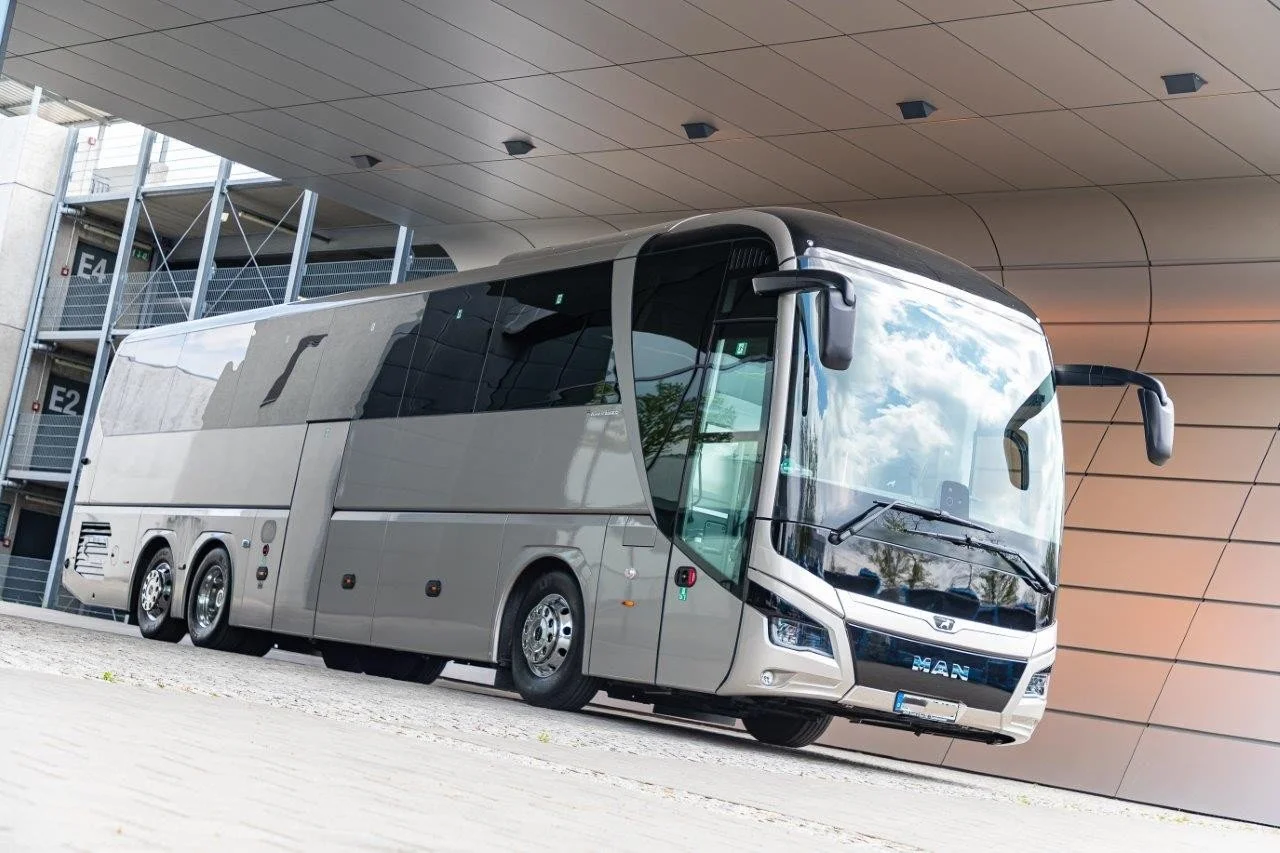
It is easy to make a European tour look exciting on paper: three cities, a museum, a vineyard, dinner and an early airport transfer. It is harder to make the day work for 40 people with luggage, timed tickets, a full-size coach and a driver who must finish within a lawful schedule.
For a group, a good travel itinerary is more than a list of places. It tells guests where to be, gives organisers time to manage the group and gives transport providers enough detail to check the route and price the service. This guide shows you how to build those layers without turning a holiday into a timetable nobody can follow.
1. Start with the bookings you cannot move
Open a calendar and mark the fixed commitments first: arrival and departure flights, cruise or train connections, hotel check-in dates, event start times and attractions with reserved entry slots. Those form the frame of the trip. Build the flexible sightseeing and free time around them, not the other way around.
- Arrival day: record airport, terminal if known, flight number, scheduled landing time, group size, luggage and hotel address.
- Every overnight: put the full hotel name and address beside the correct date, including the final night before departure.
- Fixed appointments: note the actual time guests must be at the entrance, not simply the opening time or a guide's preferred meeting time.
- Departure day: work backwards from check-in and flight timing, with realistic loading and transfer time.
If a hotel or attraction is not yet booked, mark it tentative. Do not present a draft location as a confirmed pickup address. This single distinction prevents a surprising number of last-minute route and price changes.
2. Choose a route the group can enjoy
Next, put the destinations in a logical geographic order. Avoid sending the group across the same city or region twice just to fit an attraction that would work better another day. For multi-country tours, count hotel changes and long travel days as part of the guest experience, not merely lines between sightseeing stops.
A coach journey does not begin when the map says “drive.” Guests need time to reach the pickup point, board, settle in and possibly load luggage. At the other end, they may need to walk from an approved coach stop to the actual venue. Stops for toilets and meals, traffic, weather, ferries and border formalities can add further time depending on the route.
If every day requires an early departure, several timed visits and a late return, there is little room for real traffic or the group's pace. Keep one principal activity or destination per travel block, then test any extras against the full day.
Trying to keep one coach and driver on a complex route brings additional planning considerations. Our multi-day coach hire guide covers overnight costs, city access and driver scheduling in more detail. This article focuses on the itinerary itself.
3. Write each day in chronological order
Give every day its own date, overnight location and sequence of movements. One row per activity is helpful; one row per coach movement is essential for a transport quotation. “City tour in the morning” leaves too many unanswered questions. “Hotel pickup at 08:30; coach drop-off at the approved museum stop; collection at 12:15; restaurant transfer; hotel return at 17:30” is a working plan.
| Field for each movement | What to record |
|---|---|
| Date and local time | Boarding, departure and desired arrival or collection; identify time zones on cross-border journeys. |
| Pickup and destination | Full address, named entrance or approved coach stop, plus a meeting instruction. |
| Group and luggage | Passengers travelling on that leg, checked bags, mobility aids or specialist equipment. |
| Activity and reservation | Timed admission, guide meeting point, meal booking and who confirms them. |
| Vehicle requirement | One transfer, a series of movements, a shuttle or a specified period of availability. |
| Status and contact | Confirmed or tentative; name of the organiser authorised to approve changes. |
Include the end of the transport day even when guests have free time afterwards. Does the coach return to the hotel and finish, wait for the group or come back for dinner? Those are different services with different driver and pricing implications.
4. Work backwards from appointments, not map ETAs
Suppose the group has museum entry at 10:30. For illustration only, allow 15 minutes to walk from the approved coach stop, a 45-minute drive, a 20-minute traffic allowance and 20 minutes to board at the hotel. Guests need to be at the coach stop around 10:15, the vehicle should leave the hotel at about 09:10, and boarding should begin around 08:50. A simple “45-minute drive, leave at 09:45” would make the group late before anything went wrong.
These figures are not universal rules. Ask the venue where coaches may stop, check the real route and adjust for the group. School groups, travellers with reduced mobility, international arrivals and people carrying large bags can all require a different boarding or walking allowance. A well-paced schedule gives the tour leader some room to handle actual guests, not just ideal conditions.
Leave breathing space between commitments
Do not make every restaurant booking and entrance slot dependent on the previous stop ending exactly on time. If a group needs a firm arrival for a show or flight, protect that deadline and shorten or remove a lower-priority stop first. State which activities are essential and which can be skipped if the day runs late.
5. Check what the vehicle and driver can really do
Once you have a plausible guest schedule, ask the transport provider to assess it. A full-size coach may need a different route or boarding point from a car. Historic centres, hotel entrances, attraction forecourts and city parking can impose restrictions. You should also confirm the vehicle has enough usable luggage space for transfer and hotel-change days.
Driver schedules matter across several days, especially when a group expects both early morning departures and late dinner returns. In the EU, professional passenger transport is subject to driving-time, break and rest rules, with applicable exceptions; the operating provider must assess the final service. An evening ending late can affect the next morning's start. See the European Commission's guidance for the general framework rather than assuming one driver can be available all day and night.
On multi-day tours, mark every overnight city and ask how driver accommodation and coach parking are handled. On airport and cruise days, list flight or ship information, luggage and the agreed meeting procedure. These are operational details, not sightseeing extras; leave them out and a seemingly good itinerary may not be quote-ready.
Alvora Travel arranges the agreed driver-and-vehicle movements. The organiser remains responsible for selecting and booking hotels, attractions, guides, meals and the guest-facing programme unless another arrangement has been expressly agreed.
6. Example: one day of a transport-ready tour itinerary
Here is an illustrative urban sightseeing day, not a promised route or fixed coach timetable. Replace every assumed time and place with confirmed addresses and have the operating schedule checked before sending final instructions to travellers.
| Local time | Guest programme | Transport instruction |
|---|---|---|
| 08:40–09:00 | Group assembles after breakfast. | Board at Hotel A's agreed coach pickup point; tour leader counts passengers. |
| 09:00 | Leave for the first visit. | Depart Hotel A for the approved coach stop near Museum B. |
| 10:00–12:00 | Museum visit; timed entry handled by organiser. | Drop off at the approved stop; confirm whether the coach parks elsewhere or leaves. |
| 12:15–14:00 | Lunch and free time. | Collection at the agreed location at 12:15; next destination and whether vehicle is needed during lunch stated in the brief. |
| 14:00–16:45 | Afternoon visit. | Specify exact drop-off, walking distance and collection point in the final itinerary. |
| 17:15 | Return to Hotel A. | Confirm final drop-off and whether the coach service ends or an evening movement is required. |
Hotel A and Museum B are placeholders. The times illustrate how to describe a day's sequence, not how long any real city journey takes.
Notice what is still missing for a final quote: the calendar date, real addresses, passenger and luggage counts, and exact coach access. That is the point of drafting the itinerary early. It reveals questions while there is still time to answer them.
7. Keep one current version for everyone involved
A group tour may have a guest brochure, an internal organiser schedule and a transport brief. They serve different readers, but the dates and movements must match. Keep one master version with a clear revision date, then make simplified guest instructions from that source.
- Label items as confirmed, tentative or option.
- Show the time zone and write times consistently in 24-hour format for international groups.
- Record the exact hotel and venue addresses; do not rely on similar business names in different cities.
- Choose one organiser authorised to request route and timing changes.
- Send revised plans to the transport provider for acceptance before promising new services to guests.
An added dinner transfer, changed overnight city or earlier airport collection can alter the vehicle and driver operation. A PDF sent to guests does not automatically change the booked transport. Confirm amendments in writing and retire old versions so the driver, supplier and group leader are working from the same plan.
8. Turn the itinerary into a coach hire request
You do not need every attraction booked before asking for initial feasibility or pricing. You do need enough detail for the provider to understand the proposed movements and identify what remains provisional. Before requesting a firm transport quote, send:
- Travel dates and year, destination sequence, and first and last pickup locations.
- Passenger count by movement, luggage volume and accessibility needs.
- Day-by-day pickup and drop-off times with full addresses or clearly marked provisional locations.
- Flights, trains, cruises or ferries that create hard deadlines.
- All planned stops, evening returns, waiting periods and overnight hotels.
- Any venue coach instructions, equipment requirements and your single booking contact.
Ask the provider which assumptions affect the price and where the draft is not yet workable. A useful quotation should reflect the complete transport requirement, not just an approximate number of kilometres. Our European coach hire pricing guide explains the main cost factors if you need to compare offers.
Could someone unfamiliar with your tour read the document and identify the pickup place, departure time, destination and responsibility for every movement? If not, the itinerary still needs another pass.
Frequently asked questions
What should a group tour itinerary include?
Show the date, overnight destination, activity schedule, each transport movement's pickup and drop-off addresses and local times, passenger count, booking status and the person responsible for changes. Add flight details, luggage and accessibility needs where relevant.
How many activities should I schedule in one day?
There is no fixed number. Start with immovable appointments and realistic travel, boarding and walking times. Leave some flexibility for the group's pace and protect important deadlines. One carefully planned visit can be better than several rushed stops.
Can I request coach hire before all hotels are confirmed?
Yes, for an initial discussion. Clearly mark tentative hotels and cities. Final pickup addresses and overnight locations are needed to confirm coach access, route feasibility and the final transport price.
Does the coach stay available throughout a multi-day tour?
Not automatically. The vehicle and driver operate according to the agreed service schedule and applicable driving, working and rest requirements. Include evening trips and waiting periods when requesting the quote.
Will Alvora Travel organise the full tour itinerary?
Alvora Travel arranges transport with drivers for your planned movements and can assess the transport feasibility of your proposed route. You or your travel organiser remain responsible for booking hotels, guides, attractions, meals and other non-transport elements unless separately agreed.
What is the best format to send a transport itinerary?
A chronological table, spreadsheet or clear PDF works well. Include one current version with date, exact locations, times, passenger and luggage information, and visibly mark unconfirmed items.
Have a group tour itinerary in progress?
Send Alvora Travel your draft route, dates, times, passenger count and luggage details. We will review the transport movements and prepare a tailored coach or minibus proposal for the service you need.